
The Television Cathode Tube Algorithm and its Applications in Modern Sensor Technology
Abstract This research examines the functional principles of the Television Cathode Tube Algorithm, transitioning from its historical roots in display technology to its modern utility in light detection, depth sensing, and autonomous systems. By reversing the traditional illumination process and integrating Artificial Intelligence (AI), the algorithm provides a framework for real-time motion capture and obstacle identification.
——————————————————————————–
1. Introduction and Core Mechanism
Historically, television sets operated on the principle that each pixel on a screen is illuminated to form a specific RGB colour based on the required image at a specific moment. This was achieved using a cathode ray tube (CRT) that emitted free-flowing electrons onto the screen.
The scanning process followed a precise sequence:
• Sequential Illumination: Rays were emitted continuously starting from the top-left pixel, moving horizontally to the top-right, and proceeding line-by-line until reaching the bottom-right of the screen.
• Frame Speed: The time taken for the CRT to complete this full scan from the first to the last pixel defined the frame speed.
• Motion Synthesis: The rapid succession of these individual frames created the illusion of a motion picture.
——————————————————————————–
2. Reversal for Sensors and Camera Technology
The research proposes that this algorithm can be reversed to facilitate light detection. In this application, instead of emitting light, the system detects light rays falling upon a camera film. By calculating the RGB colour code for each pixel frame by frame, the system can generate a real-time motion picture based on the speed of detection.
To enhance spatial awareness, the research highlights the integration of infrared light sensors. When synchronised with the camera, these sensors detect the depth of the picture, allowing the system to determine the exact distance of various objects and obstacles from the lens.
——————————————————————————–
3. Artificial Intelligence and Machine Learning Integration
The utility of the Television Cathode Tube Algorithm is significantly expanded when combined with Integrated Machine Learning Algorithms. This integration enables:
• Speed Detection: Calculating the velocity of objects within the camera’s field of view.
• Object Identification: Comparing detected obstacles against a memory or database to identify them.
——————————————————————————–
4. Modern Practical Applications
The principles derived from this algorithm are foundational to several cutting-edge technologies:
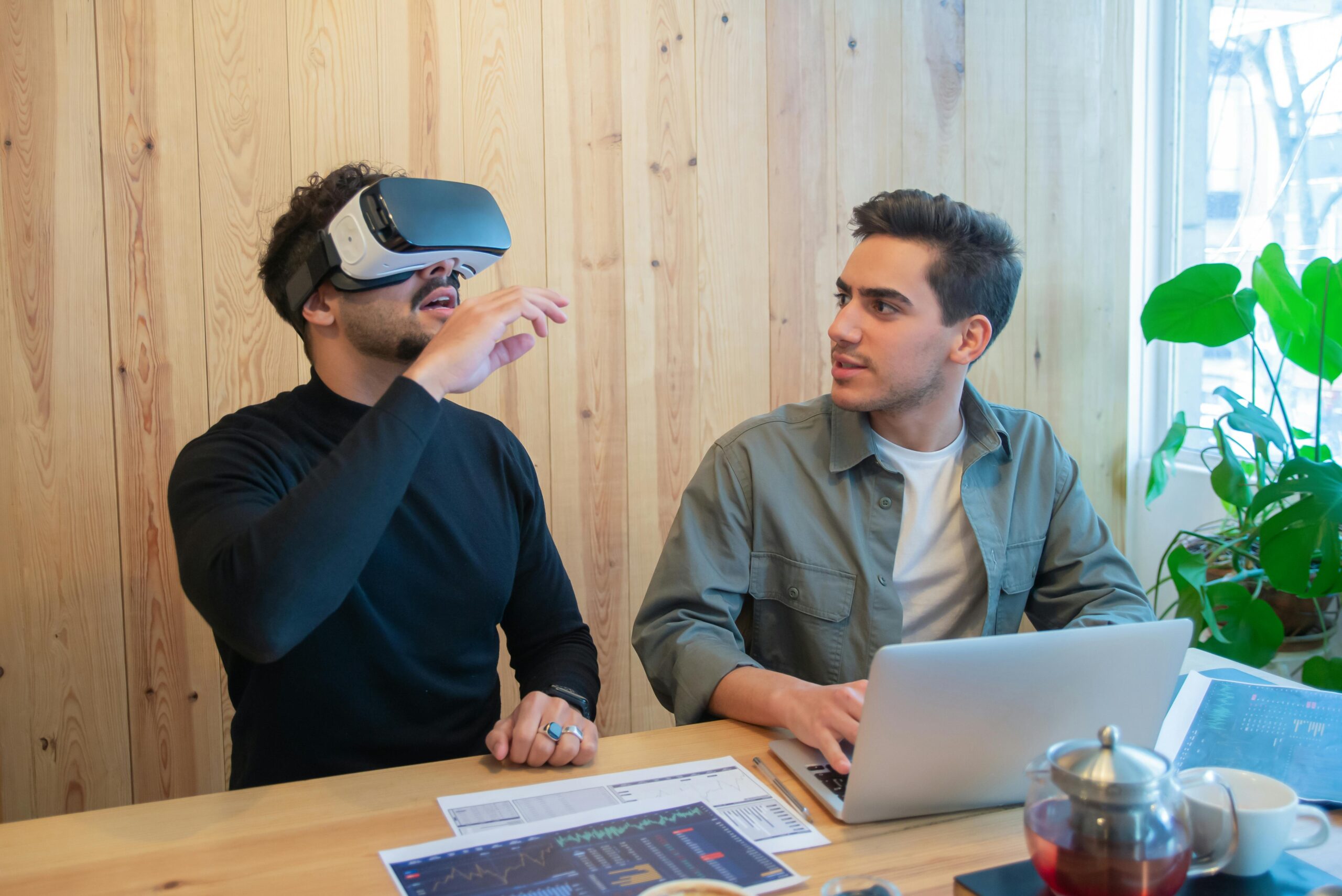
• Augmented and Virtual Reality: This logic is used to create AR and VR glasses.
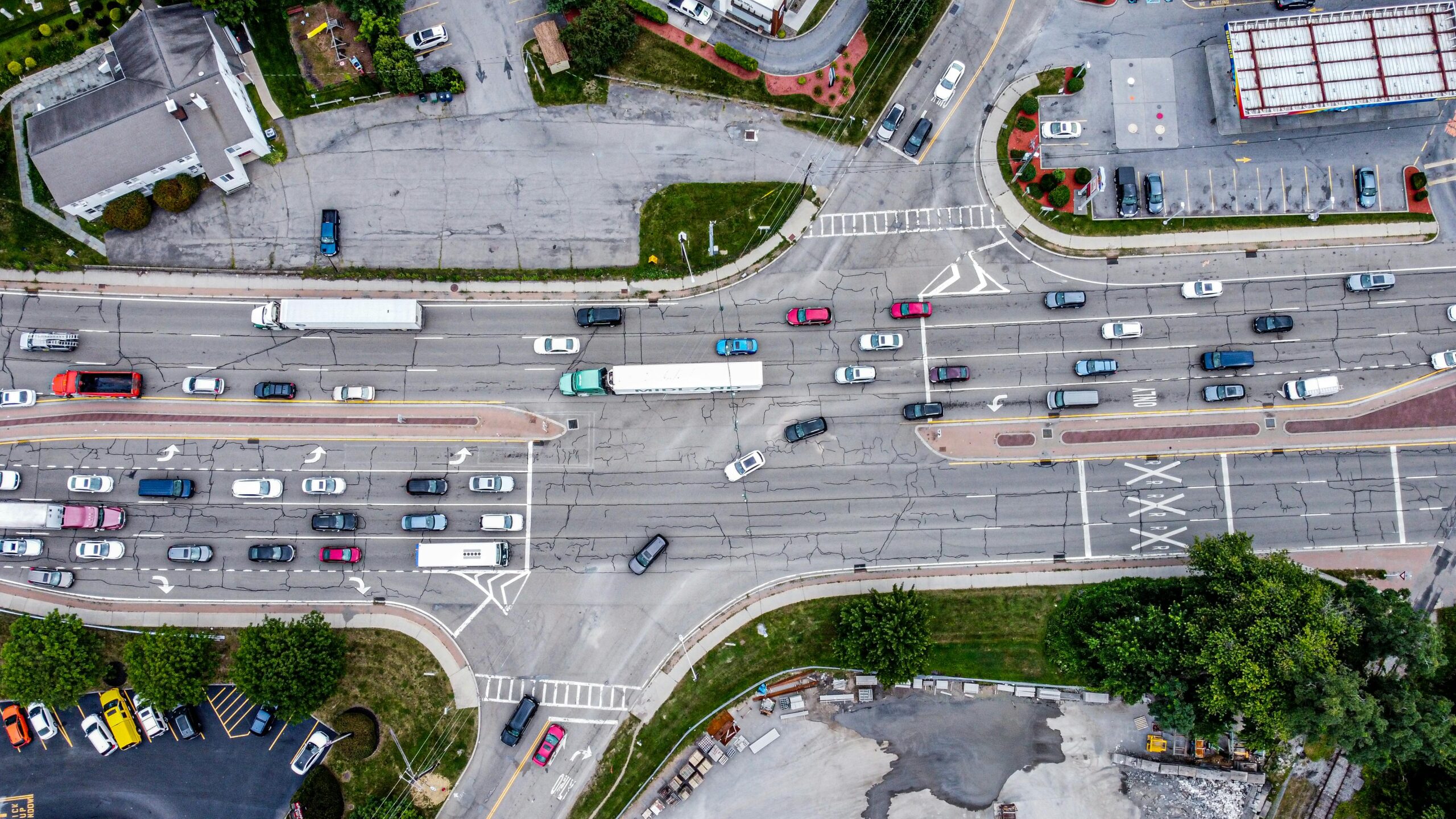
• Self-Driving Cars: Autonomous vehicles utilise this principle across multiple cameras and sensors to detect the motion of surrounding objects and navigate safely.
——————————————————————————–
Conclusion
The Television Cathode Tube Algorithm represents a versatile logic that bridges the gap between old-school display hardware and sophisticated modern sensors. By treating light detection as a pixel-by-pixel calculation, it provides the necessary data for AI to interpret the physical world in real time.
——————————————————————————–
Analogy for Understanding: Think of the algorithm like a painter and a witness. In the old TV version, the “painter” (the CRT) quickly fills a canvas with dots from top-to-bottom to show you a story. In the modern sensor version, a “witness” (the camera) watches the world and takes notes on every dot of light in that same top-to-bottom order, allowing a computer to “read” the scene just as quickly as it was once “painted”.
You can ask questions and answers here: