
Gangtok
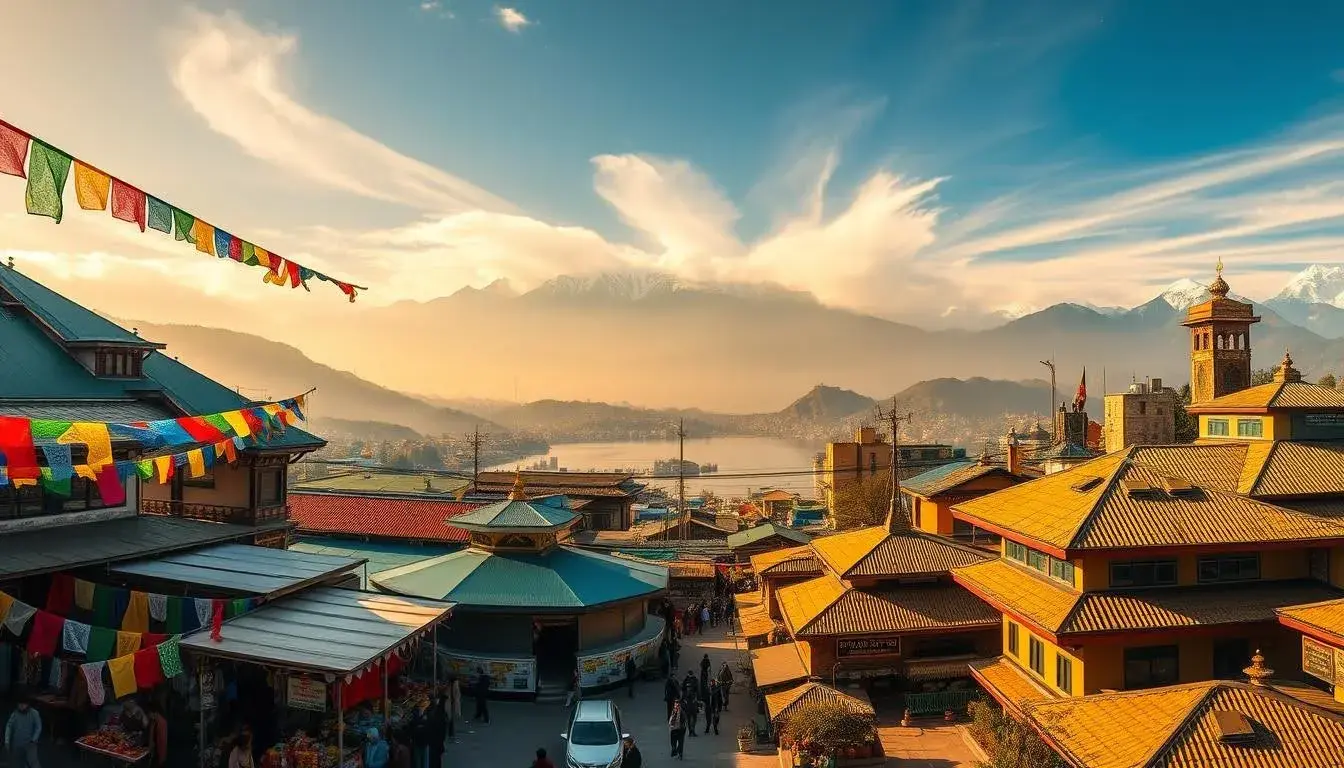
Gangtok is a city that dances between the clouds and the earth. As the capital of Sikkim, it manages to be both a bustling urban center and a serene mountain sanctuary. In 2026, Gangtok has solidified its reputation as India’s cleanest and most organized hill station, where pedestrian-only boulevards and misty monastery ridges create a rhythm of life that feels far removed from the plains.
The Soul of the City: MG Marg
Your journey in Gangtok inevitably begins at Mahatma Gandhi Marg. This isn’t just a street; it’s the city’s living room.
- The Vibe: A smoke-free, litter-free, and vehicle-free zone lined with European-style street lamps and green benches. In 2026, it remains the perfect place to sit with a cup of Temi Tea and watch the world go by.
- The Evening Glow: As dusk falls, the Marg comes alive with live music from cafes like Cafe Live & Loud and the chatter of locals and travelers sharing plates of steaming momos.
3-Day “Cloud-Kissed” Itinerary
Day 1: The Ridge & The Relics
- Morning: Head to Tashi View Point at dawn. If the weather gods are kind, you’ll see the first light hit the peaks of Kanchenjunga.
- Afternoon: Visit the Namgyal Institute of Tibetology. This is one of the world’s most important centers for the study of Buddhist philosophy. Nearby is the Do Drul Chorten, a massive stupa surrounded by 108 prayer wheels.
- Evening: Take the Gangtok Ropeway (Cable Car). It offers a bird’s-eye view of the entire city clinging to the mountain slopes.
Day 2: The High-Altitude Frontier
- Full Day: A trip to Tsomgo Lake (Changu Lake) and Nathu La Pass.
- Tsomgo: A glacial lake at 12,400 ft that is turquoise in summer and frozen solid in winter. 2026 travel tip: Rent a decorated Yak for a photo, but leave early to avoid the afternoon mist.
- Nathu La: Standing at the Indo-China border at 14,140 ft is a humbling experience. Note: Permits are mandatory and should be arranged a day in advance through your hotel or travel agent.
Day 3: Waterfall & Wisdom
- Morning: Drive to Rumtek Monastery, the largest in Sikkim. The architecture is a vibrant explosion of Tibetan art and golden statues.
- Afternoon: Stop at Banjhakri Falls. This 100-foot waterfall is set within a park themed around Sikkimese shamanic traditions.
- Evening: Farewell dinner at Nimtho on MG Marg to try a traditional Nepalese/Sikkimese Thali.
The Gangtok Tasting Menu (2026 Favorites)
| Dish | Where to Try | The Experience |
| Jhol Momos | Nimtho | Momos served in a spicy, sesame-based broth. |
| Thukpa | Taste of Tibet | A comforting noodle soup, perfect for the evening chill. |
| Shyaphale | Baker’s Cafe | Crispy, deep-fried bread stuffed with seasoned meat or veg. |
| Tongba | Local Pubs | Fermented millet beer served in a traditional wooden mug with warm water. |
2026 Traveler’s Essentials
- Permits: Sikkim is shifting toward a more streamlined Digital Permit System in 2026. However, for Nathu La and North Sikkim (Lachen/Lachung), always carry physical copies of your ID and passport-sized photos just in case.
- Cash is Essential: While UPI works at MG Marg, network issues are common at higher altitudes like Tsomgo Lake. Keep enough cash for taxis and small stalls.
- Sustainable Travel: Sikkim is a pioneer in organic farming and plastic bans. Do not carry single-use plastic bottles; use the many public water filtration stations.
- Weather Alert: Even in summer (March–June), the mountain weather is unpredictable. Carry a light raincoat and a sturdy pair of walking shoes.
0 Comments