
Leh
To enter Ladakh is to leave the familiar behind. It is a land where the earth feels closer to the stars, where the silence is so profound you can hear your own heartbeat, and where the mountains seem to breathe under a sky of impossible indigo.
In 2026, Ladakh has transformed into a global model for High-Value, Low-Impact tourism. While the rugged charm remains, the focus has shifted toward preserving its fragile Himalayan ecosystem through the “Green Ladakh” initiative. This is not a journey you take with your body; it is one you take with your soul.
Part 1: The High-Altitude Initiation
The descent into Kushok Bakula Rimpochee Airport is one of the most dramatic in the world. As the plane banks between jagged, snow-dusted peaks, you realize you aren’t just landing in a city; you are landing on the roof of the world at 3,500 meters (11,500 ft).
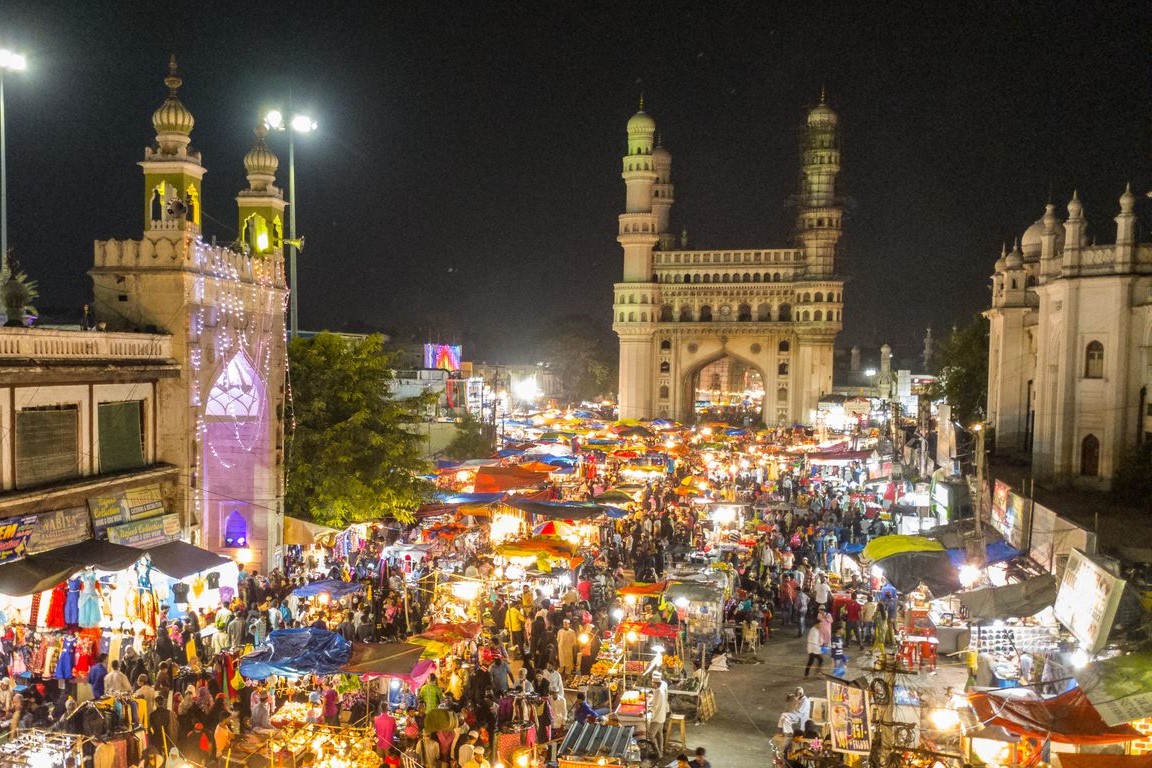
The first lesson Ladakh teaches you is patience. The “Leh adaptation” is non-negotiable. In 2026, the local administration mandates a 48-hour rest period for all fly-in tourists. I spent my first two days in the Leh Main Bazaar, watching the world go by at a slow, meditative pace. The scent of fresh Khambir (Ladakhi sourdough) from the local bakeries and the sight of elderly women in turquoise-studded Peraks spinning prayer wheels creates an atmosphere of timelessness.
The Sunset Ritual: On my second evening, I climbed the steps to Shanti Stupa. As the sun dipped, the entire Leh valley turned a dusty gold, and the Stok Kangri range across the Indus shimmered like a wall of fire.
Part 2: The Path of the Ancients (Monasteries & Confluences)
Moving west of Leh, the “Sham Valley” route offers a masterclass in history.
- Thiksey Monastery: Often called the “Mini Potala,” Thiksey is a tiered architectural marvel. I arrived at 6:00 AM to hear the morning chants. The deep, guttural resonance of the monks’ horns echoing through the valley is a sound that vibrates in your chest. The 32-meter Maitreya Buddha inside, spanning two floors, is perhaps the most serene face I have ever seen.
- The Sangam: At Nimmu, I stood at the edge of a cliff to watch the Sangam—the confluence of the emerald-green Indus and the muddy, turquoise Zanskar. In the winter of 2026, the Zanskar was frozen solid, a white highway for the legendary Chadar Trek.
Part 3: Crossing the Giants to Nubra Valley
To reach the Nubra Valley, you must cross the Khardung La. Long celebrated as the world’s highest motorable pass, it is a place of fluttering prayer flags and oxygen-thin air.
Descending into Nubra is like entering a forgotten kingdom.
- Hunder Sand Dunes: At 10,000 feet, you find a desert. I rode a Bactrian (double-humped) camel through the silver dunes as the sun set. These camels are living relics of the Silk Road, descendants of the caravans that once traded spices and silk between India and Central Asia.
- Turtuk – The Hidden Village: A few hours further north lies Turtuk, a village that was part of Pakistan until 1971. In 2026, it is the crown jewel of “Border Tourism.” Walking through its lush apricot orchards and stone-walled lanes, the culture shifts from Buddhist to Balti-Muslim, offering a fascinating layer of complexity to the Ladakhi identity.
Part 4: The Indigo Infinity – Pangong Tso
The drive to Pangong Lake via the Shyok River is a journey through a lunar landscape of violet-colored mountains. When the lake finally appears, it doesn’t look real. It is a 134-km long ribbon of water that shifts from turquoise to deep indigo as the sun moves.
In 2026, to combat over-tourism, the “3 Idiots” movie-themed stalls have been moved to a designated zone, leaving the shores of Spangmik and Maan villages peaceful once more. I stayed in a solar-heated eco-homestay. At night, the sky was so clear that the Milky Way looked like a spilled bucket of silver paint across the black dome of the sky.
The Ladakhi Culinary Map (2026 Favorites)
| Dish | Experience | The Vibe |
| Thukpa | Dinner at Tibetan Kitchen | Hearty noodle soup that warms the soul. |
| Skyu | Village Homestay | Thumb-pressed pasta cooked with root vegetables. |
| Apricot Jam | Breakfast at Leh Bazaar | Made from the famous “Raktsey Karpo” apricots. |
| Gur-Gur Chai | Roadside Stalls | Pink, salty butter tea—an acquired but vital taste. |
2026 Traveler’s Essential Protocol
- Sustainable Packing: Ladakh is striving for a zero-plastic status. Carry a Lifestraw or a reusable insulated bottle. Most homestays now provide UV-filtered water stations.
- Digital Detox: Only Postpaid SIM cards work (Jio/Airtel are best). Expect zero connectivity at Pangong and on high passes—carry an offline map.
- The Green Fee: In 2026, the Environmental Fee is paid entirely via the Jullay Leh app. Keep your QR code ready for checkpoints.
- Cash is Essential: While UPI is accepted in Leh town, Nubra and Pangong remain strictly cash-dependent.
A Detailed 7-Day “Green Ladakh” Itinerary
A 7-day trip to Leh Ladakh is the perfect duration to experience the region’s “Big Three”: Nubra Valley, Pangong Lake, and Leh town, without feeling dangerously rushed.
In 2026, the local administration has tightened acclimatization rules, making a slow start essential for your safety. Here is a balanced, high-altitude itinerary.
7-Day “High-Altitude Soul” Itinerary
Day 1: Arrival & The “Golden Rule” of Rest
- Morning: Arrive at Kushok Bakula Rimpochee Airport. You will immediately feel the thin air.
- Activity: Check into your hotel and do nothing. In 2026, it is mandatory to spend 48 hours in Leh for acclimatization before heading to higher passes.
- Evening: A very gentle walk to the Leh Main Bazaar. Buy a local prayer wheel or try some Apricot juice.
- Stay: Leh.
Day 2: Leh Local – “The Cultural Warm-up”
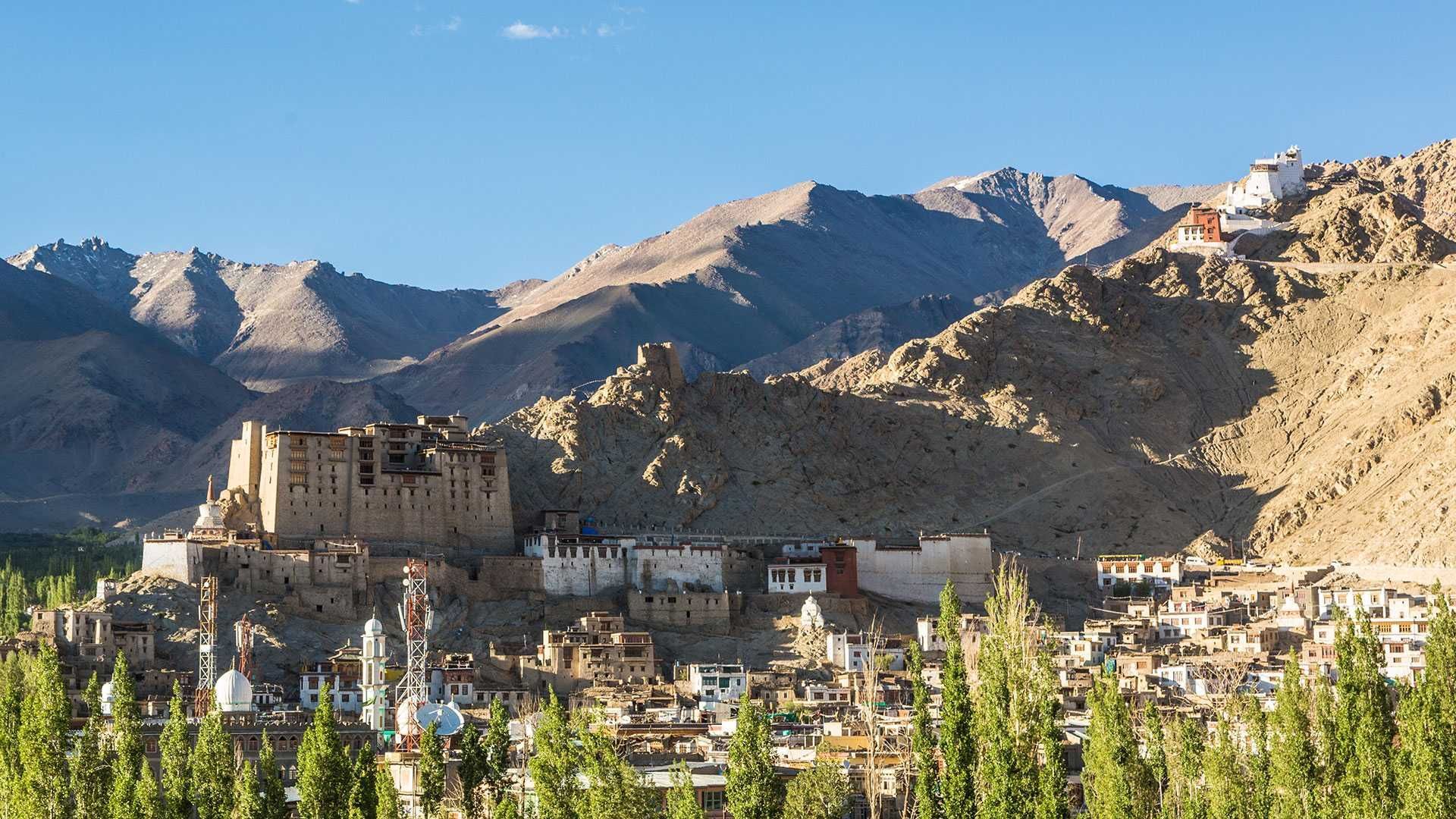
- Morning: Visit Leh Palace and the Namgyal Tsemo Gompa for a panoramic view of the town.
- Afternoon: Drive to Hall of Fame (War Museum) and Shanti Stupa.
- Pro-Tip: Keep your physical exertion to a minimum. Drink 3–4 liters of water today.
- Stay: Leh.
Day 3: Sham Valley – “Magnetic Mysteries”
- Morning: Drive toward the west of Leh. Visit the Magnetic Hill and Gurudwara Pathar Sahib.
- Afternoon: Witness the Sangam—the confluence of the Indus and Zanskar rivers. If you’re feeling adventurous (and acclimatized), short rafting trips are available here.
- Evening: Visit the 11th-century Alchi Monastery, famous for its Indo-Tibetan wall paintings.
- Stay: Leh.
Day 4: Over Khardung La to Nubra Valley
- Morning: The real adventure begins. Cross Khardung La (5,359m). Spend no more than 15 minutes at the top to avoid altitude sickness.
- Afternoon: Arrive in Nubra Valley. Visit the towering 32m Maitreya Buddha at Diskit Monastery.
- Evening: Ride the double-humped Bactrian Camels at the Hunder Sand Dunes during sunset.
- Stay: Hunder (Nubra Valley).
Day 5: Turtuk – “The Last Village of India”
- Morning: Drive 3 hours further north to Turtuk, a village opened to tourists only recently. It was part of Pakistan until 1971 and has a distinct Balti culture.
- Afternoon: Walk through apricot orchards and visit the Turtuk Museum.
- Evening: Return to Hunder. In 2026, this area is a designated “Dark Sky” zone—perfect for stargazing.
- Stay: Hunder.
Day 6: The Blue Jewel – Pangong Tso
- Morning: Take the direct route via Shyok River to Pangong Lake. This saves you from returning to Leh.
- Afternoon: Reach the lake (4,250m). Watch the water change from turquoise to deep indigo as the sun moves.
- Evening: Stay in an Eco-tent or a local homestay in Spangmik.
- Stay: Pangong Lake.
Day 7: The Final Pass & Departure Prep
- Morning: Wake up early for the sunrise over the lake—it’s the highlight of the trip.
- Afternoon: Drive back to Leh via Chang La (the third-highest motorable pass).
- Evening: Last-minute shopping at the Tibetan Refugee Market for silver jewelry or pashmina shawls.
- Stay: Leh (Final Night).
2026 Essentials for Your Trip
| Feature | Requirement / Advice |
| Inner Line Permit (ILP) | Mandatory for Nubra and Pangong. Apply online at lahdclehpermit.in or via the Jullay Tourist App. |
| Connectivity | Only Postpaid SIMs (Airtel/Jio) work. Zero signal at Pangong. |
| Permit Cost | Approx. ₹450-₹600 (includes Green Fee & Red Cross Fund). |
| Health | Carry Diamox (consult your doctor first). Avoid alcohol for the first 3 days. |