
Mumbai
Mumbai is its relentless, electric pulse. It is a city of staggering contrasts, where billionaires live doors away from slums, and where the humid salt air of the Arabian Sea mixes with the aroma of cutting chai and diesel.
In 2026, Mumbai has transformed. With the Coastal Road and the fully operational Metro Line 3, the city’s notorious “maximum traffic” has finally met its match, making it easier than ever to chase the Mumbai dream.
The Colonial South: “Town”
I started my journey in South Mumbai, or “Town” as the locals call it. This is where the city’s British-era grandeur is most visible.
- The Gateway and the Palace: Standing at the Gateway of India at sunrise is a rite of passage. Directly opposite is the Taj Mahal Palace Hotel, an architectural icon that stood defiant during the 2008 attacks and remains the pinnacle of Indian hospitality.
- Kala Ghoda Art District: Walking through these lanes feels like being in a European art borough. I spent an afternoon between the Jehangir Art Gallery and the CSMVS Museum (formerly Prince of Wales), where the Indo-Saracenic domes are as much a work of art as the artifacts inside.
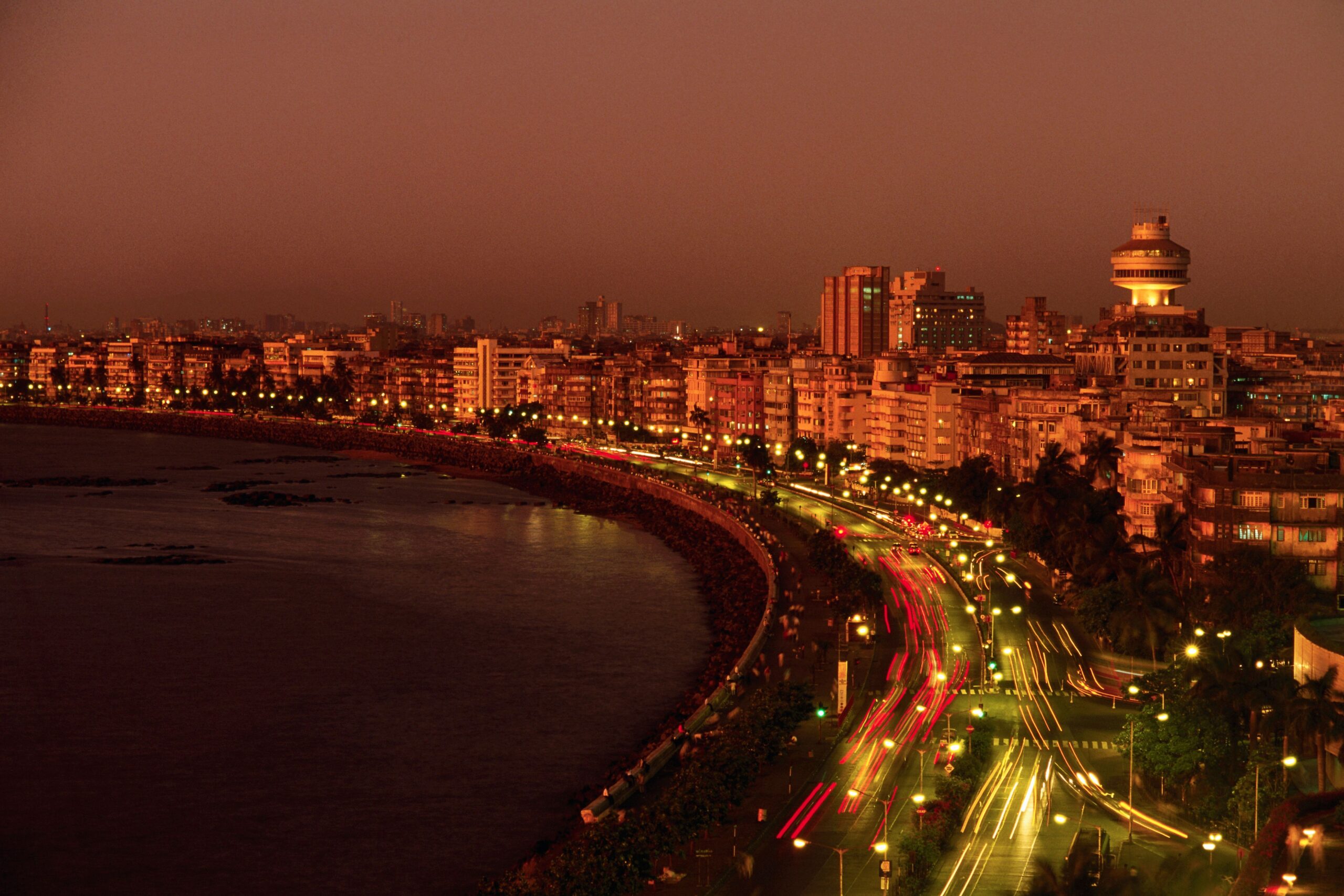
- Marine Drive: As evening fell, I took a taxi along the Queen’s Necklace. In 2026, the new promenade extensions from the Coastal Road project offer even more space to sit and watch the sunset. There is no feeling quite like the wind hitting your face as the city lights curve around the bay.
The Spirit of “Maximum City”
Mumbai is defined by its people and their impossible pace.
- Dhobi Ghat: From the Mahalaxmi railway bridge, I looked down at the world’s largest open-air laundry. Thousands of dhobis scrubbing, bleaching, and drying clothes in a rhythmic chaos that has survived for over 140 years.
- Dharavi: I took a guided ethical tour through Dharavi. Far from the “slum” stereotype, it is a hive of industry—pottery, leather work, and plastic recycling. It’s a lesson in resilience and the sheer economic backbone of Mumbai.
- Bandra Bandstand: Crossing the Bandra-Worli Sea Link (a masterpiece of modern engineering), I entered the “Queen of the Suburbs.” Bandra is where Bollywood stars live and where the vibe shifts from colonial history to hipster cafes and graffiti-covered walls.
The Mumbai Tasting Menu
Mumbai’s food is a melting pot, much like its population.
| The Essential Bite | Where to Find It | Why it’s Iconic |
| Vada Pav | Ashok Vada Pav (Prabhadevi) | The “Burger of Mumbai”—spicy, carb-heavy, and perfect. |
| Keema Ghotala | Kyani & Co. (Marine Lines) | A classic Parsi breakfast in a 100-year-old cafe. |
| Bombil Fry | Gajalee (Vile Parle) | Buttery, melt-in-your-mouth Bombay Duck (actually a fish). |
| Pani Puri | Elco (Bandra) | Cold, spicy, tangy water bursting in a crisp semolina shell. |
| Midnight Rolls | Ayub’s or Bademiya (Colaba) | Skewered meats wrapped in paratha, eaten on the street. |
The New Horizon: 2026 & Beyond
The Mumbai of 2026 feels more connected. I took the Aqua Line (Metro 3) from Colaba to BKC in under 30 minutes—a journey that used to take two hours by road.
I ended my trip at Juhu Beach. Amidst the shouting kulfi-wallas and the soaring planes taking off from the nearby airport, I realized that despite the new glass skyscrapers and underground metros, Mumbai’s soul remains in its noise. It is a city that never asks you to be quiet; it only asks you to keep up.
Since Mumbai is sprawling, the secret to enjoying it in 2026 is using the Metro Line 3 (Aqua Line) and the Coastal Road to bypass the legendary traffic. This itinerary balances South Mumbai’s heritage with the trendy vibe of the suburbs.
3-Day “Maximum City” Itinerary
Day 1: Heritage & The Queen’s Necklace (South Mumbai)
- Morning (9:00 AM – 1:00 PM): Start at the Gateway of India. Take a 20-minute heritage walk through Colaba Causeway to see the CSMVS Museum and the Victorian Gothic buildings of the High Court and Old Secretariat.
- Lunch: Head to Britannia & Co. in Ballard Estate for their famous Berry Pulav (Note: they close early, so aim for 1:00 PM).
- Afternoon (2:30 PM – 5:00 PM): Explore the Kala Ghoda Art District. Visit the Jehangir Art Gallery and browse the tiny boutiques in the lanes behind it.
- Evening (6:00 PM onwards): Drive along the Coastal Road to see the new sea-front architecture, then end your day at Marine Drive. Sit on the promenade and watch the “Queen’s Necklace” light up.
Day 2: Culture, Canyons & The Sea Link
- Morning (9:00 AM – 12:30 PM): Take the Metro to Mahalaxmi to see the Dhobi Ghat. If you’re feeling adventurous, head to the Kanheri Caves (Borivali) early in the morning to see 2,000-year-old Buddhist carvings inside a National Park.
- Lunch: Head to Lower Parel (The Mills). What used to be old cotton mills are now high-end dining hubs. Try The Bombay Canteen for a modern twist on Indian food.
- Afternoon (3:00 PM – 5:30 PM): Drive across the Bandra-Worli Sea Link. Head to Mount Mary Basilica in Bandra and walk down to Bandstand to see the “Walk of the Stars” and the outside of Shah Rukh Khan’s house (Mannat).
- Evening: Enjoy the nightlife in Bandra (West). Explore the bars on Linking Road or Pali Hill.
Day 3: Markets, Ferries & Sunsets
- Morning (9:30 AM – 12:30 PM): Visit Crawford Market for a sensory overload of fruits, spices, and pets. Cross the street to the Mangaldas Fabric Market for a riot of colors.
- Lunch: Grab a quick and iconic lunch at Sree Thaker Bhojanalay for arguably the best Gujarati Thali in the world.
- Afternoon (2:00 PM – 5:00 PM): Take a ferry from the Gateway of India to the Elephanta Caves (a 1-hour boat ride). It’s a UNESCO World Heritage site with massive rock-cut temples.
- Evening: Head to Juhu Beach. It’s crowded, chaotic, and quintessential Mumbai. Eat some Pav Bhaji at the food stalls while watching the sunset over the Arabian Sea.
Estimated Budget (Per Person)
| Category | Budget (Moderate) | Budget (Luxury) |
| Stay (2 Nights) | ₹6,000 – ₹10,000 | ₹25,000+ (South Mumbai/Juhu) |
| Food & Drinks | ₹4,500 – ₹7,000 | ₹15,000+ |
| Transport (Metro/Uber) | ₹2,000 – ₹3,500 | ₹8,000 (Private Car/Driver) |
| Entry Fees & Ferries | ₹1,000 | ₹3,000 |
| Total | ~₹13,500 – ₹21,500 | ~₹51,000+ |
2026 Travel Smart-Tips
- Metro Card: Get a “Chalo Card” or use the Chalo App. It works for both the Metro and the iconic red BEST buses.
- The Humidity: Even in winter, Mumbai is humid. Carry an extra cotton shirt and stay hydrated with Nariyal Pani (coconut water) found on every street corner.
- Safety: Mumbai is one of India’s safest cities for solo travelers. Black-and-yellow taxis (Kaali-Peelis) are reliable and almost always go by the meter.