
Pune
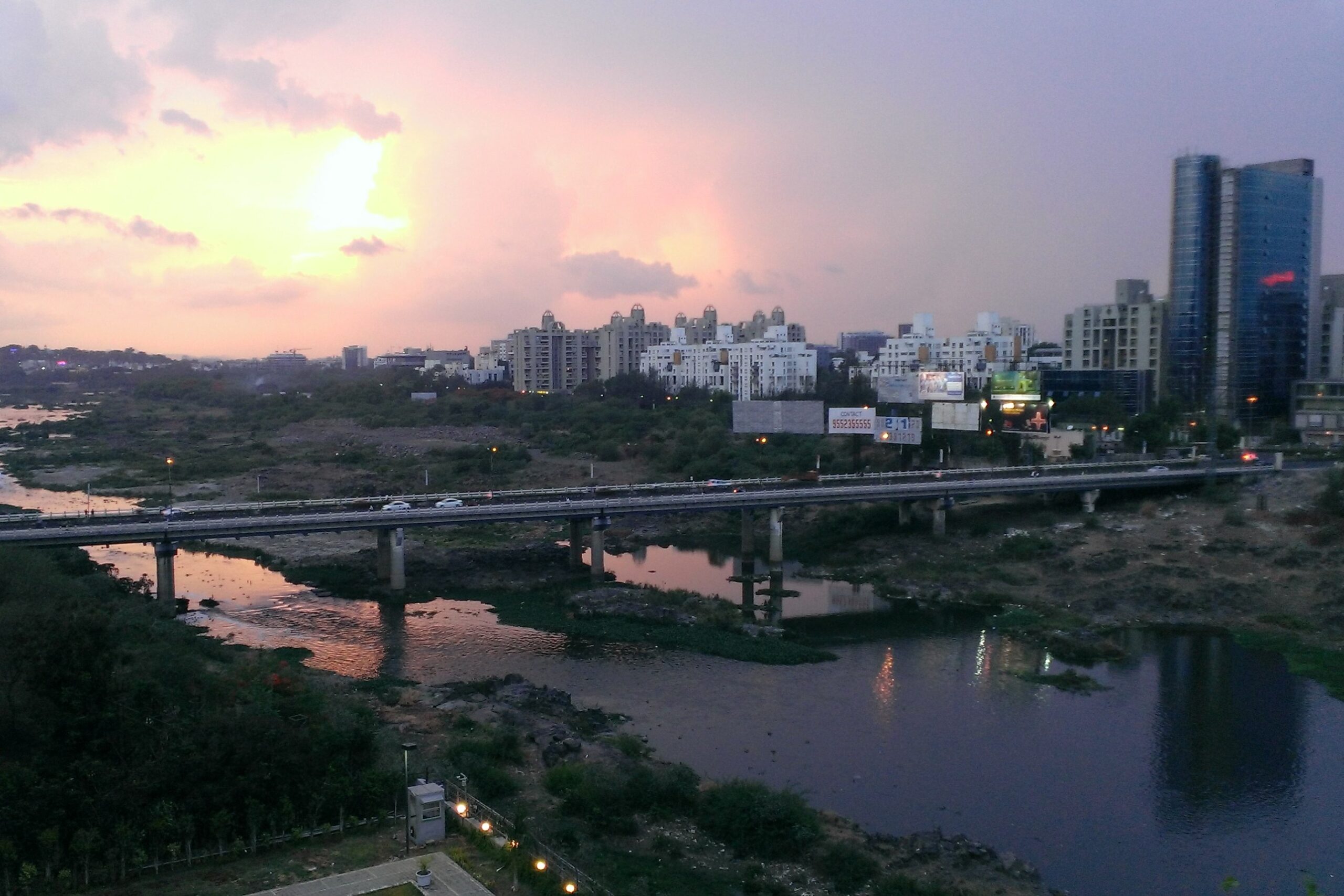
Often called the “Oxford of the East” and the “Cultural Capital of Maharashtra,” Pune is a city where 18th-century Maratha history leans comfortably against the glass-and-chrome of 21st-century tech hubs.
My journey through this vibrant metropolis was a sensory loop of temple bells, the sizzle of vada pav, and the quiet rustle of old banyan trees. Here is a chronicle of a few days spent in the heart of the Peshwas.
The Heart of the Old City
I began where Pune began—the Peths. These are the city’s historic neighborhoods, each named after the day of the week they originally hosted a market.
- Shaniwar Wada: Walking through the massive teak Dilli Darwaza (Delhi Gate) felt like entering a portal. Built in 1732, this was the seat of the Peshwa rulers. Though a fire in 1828 left much of it in ruins, the stone foundations and the sprawling gardens still whisper tales of political intrigue and lost grandeur.
- Dagdusheth Halwai Ganpati: A short walk away is the city’s most beloved shrine. The idol here is draped in kilos of pure gold, but it’s the atmosphere—thick with incense and the collective hum of “Ganpati Bappa Morya”—that truly captivates.
- Raja Dinkar Kelkar Museum: This is a “one-man collection” that houses over 21,000 artifacts. From ornate musical instruments to ancient nutcrackers, it’s a quirky, intimate look at India’s everyday artistic history.
The Spiritual & The Serene
Pune has a unique ability to offer silence just meters away from its chaotic traffic.
- Aga Khan Palace: This Italian-style mansion is as beautiful as it is somber. It served as a prison for Mahatma Gandhi during the Quit India Movement. Walking through the quiet corridors and seeing the simple belongings of Gandhi and Kasturba is a moving experience.
- Osho International Meditation Resort: Located in the leafy Koregaon Park, this is a world of its own. Even if you don’t enter the resort, the nearby Osho Teerth Park—once a barren wasteland converted into a lush Japanese-style garden—is a testament to the city’s ecological spirit.
- Pataleshwar Cave Temple: Tucked away on the busy Jungli Maharaj Road is an 8th-century rock-cut temple carved from a single massive basalt rock. Descending into its cool, dark interior feels like finding a secret underground kingdom.
A Culinary Pilgrimage
You don’t just “eat” in Pune; you partake in traditions.
| Stop | Must-Try | The Vibe |
| Cafe Goodluck | Bun Maska & Irani Chai | Bustling, old-world Irani cafe charm. |
| Bedekar Misal | Misal Pav | Fiery, spicy, and strictly authentic Puneri. |
| Kayani Bakery | Shrewsbury Biscuits | The aroma of butter that defines East Street. |
| Sujata Mastani | Mango Mastani | A thick milk-and-ice-cream dessert fit for a king. |
| Vaishali | SPDP (Sev Puri Dahi Puri) | The legendary hangout on FC Road. |
The Sunset Finale: Sinhagad Fort
No trip to Pune is complete without “climbing the lion.” About 30 km from the city, Sinhagad Fort stands atop a cliff in the Sahyadri mountains.
I took the winding road up as the fog rolled in. At the top, amidst the ancient stone walls, I sat on a rock and ate Pithla Bhakri (a rustic chickpea flour curry) and Kanda Bhajji (onion fritters) served by local villagers. As the sun dipped below the horizon, the city lights of Pune began to twinkle far below, a glittering carpet of a city that honors its past while sprinting toward its future.
Building a 3-day itinerary for Pune requires a mix of its historic “Peth” areas, the modern café culture of Koregaon Park, and the rugged beauty of the Sahyadri mountains.
As of 2026, the Pune Metro has expanded significantly (Line 3 connecting Hinjewadi to Civil Court), making cross-city travel much faster.
3-Day Pune Itinerary
Day 1: The Peshwa Legacy & Old City Vibes
- Morning (9:00 AM – 1:00 PM): Start at Shaniwar Wada. Walk 10 minutes to Lal Mahal and then to the Dagdusheth Halwai Ganpati Temple.
- Lunch: Head to Tulsi Baug for shopping and grab a traditional Maharashtrian Thali at Durvankur or Sudarshan.
- Afternoon (2:30 PM – 5:30 PM): Visit the Raja Dinkar Kelkar Museum. It’s a 15-minute walk from the temple area.
- Evening: Walk down Fergusson College (FC) Road. Enjoy the student vibe, browse bookstores, and have snacks at the legendary Vaishali or Amrapali.
Day 2: Freedom Struggle & Spiritual Calm
- Morning (9:30 AM – 12:30 PM): Visit the Aga Khan Palace (Kalyani Nagar). Explore the Gandhi memorials and the quiet gardens.
- Lunch: Head to Koregaon Park (KP). This area is famous for global cuisine. Try Sante Spa Cuisine or German Bakery.
- Afternoon (2:00 PM – 4:30 PM): Walk through the Osho Teerth Park or visit the Tribal Museum nearby.
- Evening: Relax at Pune Okayama Friendship Garden (Japanese Garden) on Sinhagad Road. It’s one of the most serene spots in the city.
Day 3: The Fortress & The Sunset
- Morning (7:00 AM – 12:00 PM): A morning trip to Sinhagad Fort.
- Travel: It’s about 35 km from the city. Best to hire a cab for a half-day.
- Experience: Eat Pithla Bhakri at the top.
- Afternoon (2:00 PM – 4:00 PM): On the way back, stop at Khadakwasla Dam for a quick view of the backwaters.
- Evening: Visit Parvati Hill for the sunset. You’ll have to climb 103 stone steps, but the panoramic view of the entire city is the perfect way to end your trip.
Estimated Budget (Per Person)
| Category | Budget (Moderate) | Budget (Luxury) |
| Stay (2 Nights) | ₹4,000 – ₹6,000 | ₹12,000+ |
| Food & Drinks | ₹3,000 – ₹4,500 | ₹9,000+ |
| Transport (Metro/Cabs) | ₹1,500 – ₹2,500 | ₹5,000 (Private Car) |
| Entry Fees | ₹500 | ₹1,500 (Includes guides) |
| Total | ~₹9,000 – ₹13,500 | ~₹27,500+ |
Travel Tips for 2026
- The Metro: Use the Pune Metro App to book QR tickets. Line 1 (Purple) and Line 2 (Aqua) intersect at the District Court Interchange, which is very helpful for tourists.
- Rickshaws: Always use apps like Uber or Ola for autos to ensure you pay the “meter” rate, or be prepared to negotiate.
- Pune Darshan Bus: If you prefer a guided group tour, the PMPML (Municipal Transport) runs an AC “Pune Darshan” bus daily from the Pune Station for ~₹500.